Physical Address
304 North Cardinal St.
Dorchester Center, MA 02124
Physical Address
304 North Cardinal St.
Dorchester Center, MA 02124
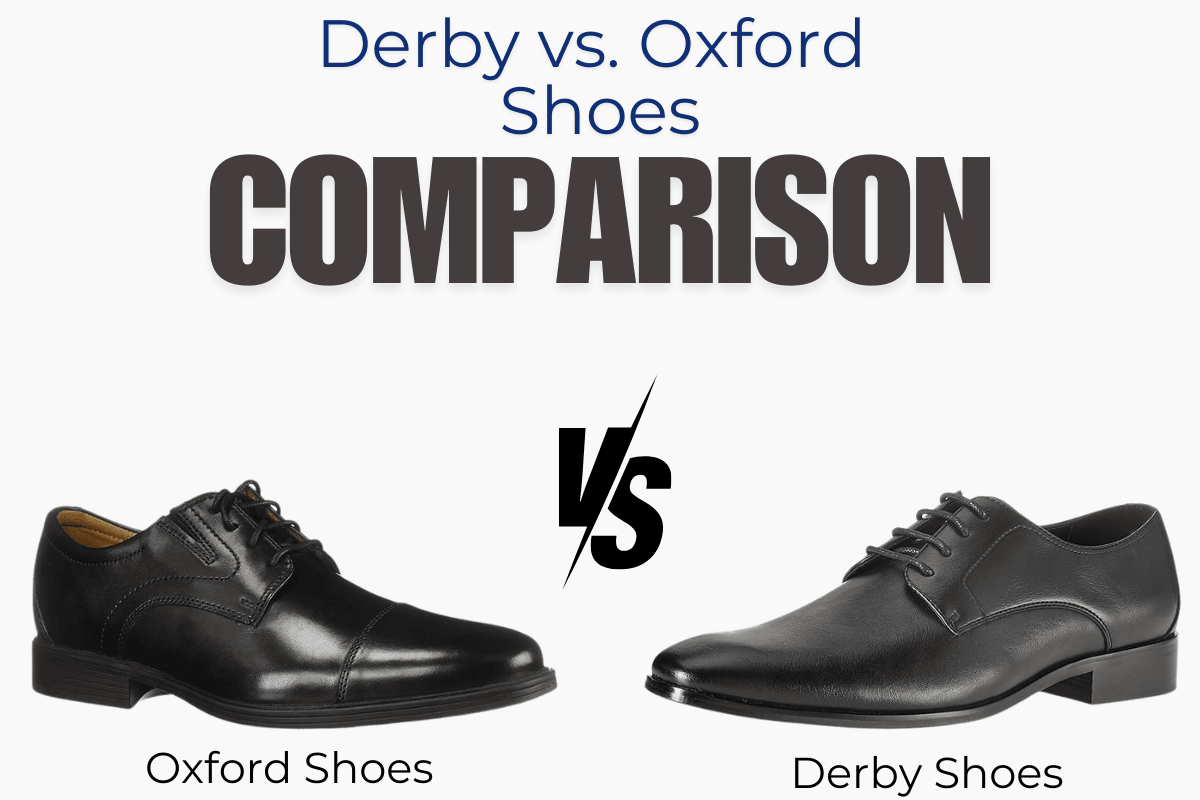
When choosing dress shoes, the debate between Derby vs Oxford shoes often arises. Each style brings unique features, making them suitable for different occasions, preferences, and purposes. This article explores everything you need to know about Derby and Oxford shoes to help you make an informed decision.
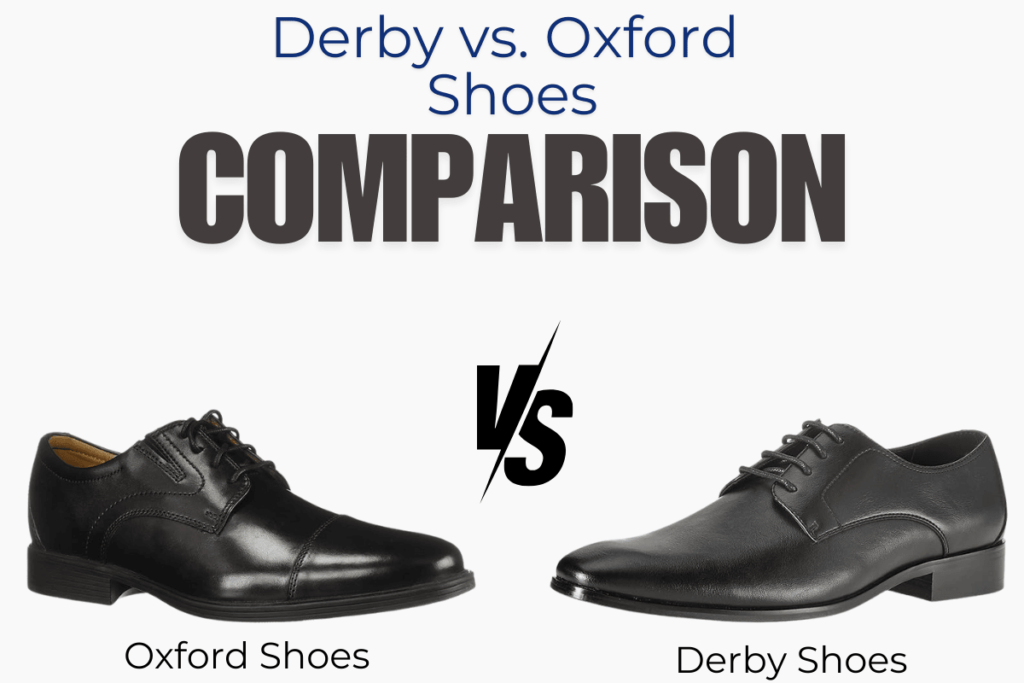
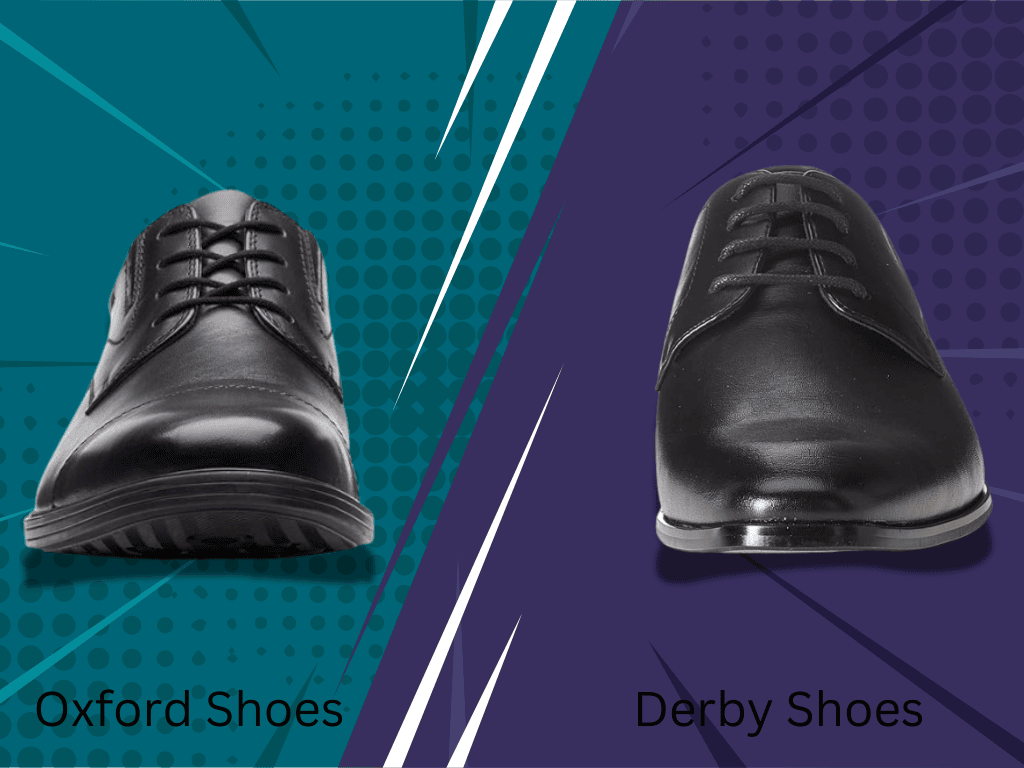
Derby shoes are known for their open-lacing system, which means the eyelets are sewn on top of the shoe’s vamp. This design provides greater flexibility and makes Derby shoes more comfortable for individuals with wider feet or high arches. The open laces allow for easy adjustments, reducing pressure on the top of your feet.
In contrast, Oxford shoes feature a closed-lacing system. The eyelets are stitched under the vamp, creating a snug and structured fit. While this design provides a sleek appearance, it may feel less forgiving for those with wider feet. However, when broken in, Oxfords offer great comfort for formal settings.
| Feature | Derby Shoes | Oxford Shoes |
|---|---|---|
| Lacing System | Open-lacing system | Closed-lacing system |
| Formality | Suitable for casual to semi-formal occasions | Best for formal and business settings |
| Fit | Adjustable and accommodating for wide feet | Snug fit, ideal for standard-width feet |
| Design Variants | Brogue, plain, or textured designs | Minimalist and sleek |
| Use Cases | Everyday wear, smart-casual looks | Weddings, corporate meetings, formal events |
Versatile enough to transition from formal to smart-casual settings, they are often worn with less formal attire like chinos or smart jeans.
Generally considered more formal, making them the preferred choice for business settings, weddings, and other elegant events.
Both styles can be made from high-quality materials such as leather or suede and may include decorative elements like broguing. They are available in various colors, commonly black or brown, but also in bolder shades like oxblood or navy.
Due to their adjustable lacing system, Derby shoes are more forgiving when it comes to sizing. They accommodate various foot shapes and are a safer choice for online purchases.
Oxfords demand a precise fit because of their structured design. It is recommended to try them on before purchasing, as the snug fit may not suit all foot types.
The weights of Derby and Oxford shoes can vary based on size, materials, and design. However, here are some general insights:
The weight of Derby shoes typically ranges from 378 grams (0.83 pounds) to 860 grams (1.90 pounds) depending on the brand and construction.
Oxford shoes generally weigh around 1 pound 14 ounces (approximately 860 grams) for a standard size. Some variations can exist based on style and material.
In summary, both types of shoes can weigh between approximately 378 grams to 860 grams, with Oxfords being on the heavier side due to their more formal construction.
Brands like Dr. Martens, Clarks, and Allen Edmonds are renowned for their comfortable and stylish Derby shoes. These brands prioritize quality craftsmanship and durability.
Oxfords are synonymous with luxury brands such as Church’s, John Lobb, and Crockett & Jones. These brands excel in offering premium materials and timeless designs.
The open-lacing system allows better airflow, making Derby shoes a more breathable option for warmer climates or extended wear.
While Oxfords are less breathable due to their closed-lacing design, premium leather and perforations in some models can enhance ventilation.
Durability in Derby shoes depends on the material. Leather Derbies are long-lasting and resistant to wear and tear. Suede options, though stylish, may require more maintenance.
Oxfords, especially those crafted from high-quality leather, are highly durable. Their structured build ensures they retain their shape over time, even with frequent use.
| Durability Factor | Derby Shoes | Oxford Shoes |
| Material Options | Leather, suede, synthetic | Premium leather only |
| Lifespan | 3-5 years with proper care | 5-10 years with proper care |
| Maintenance | Moderate | High |
Derby shoes are available across a wide price range, from budget-friendly options starting at $50 to high-end designs exceeding $500. Popular mid-range brands like Clarks offer great value for money.
Oxfords tend to be pricier due to their premium materials and craftsmanship. Expect to pay anywhere from $100 for entry-level pairs to over $1,000 for luxury brands like John Lobb.
| Price Range | Derby Shoes | Oxford Shoes |
| Budget | $50-$100 | $100-$200 |
| Mid-Range | $100-$300 | $200-$500 |
| Luxury | $300-$500+ | $500-$1,000+ |
Customers often praise Derby shoes for their comfort and versatility. They are a popular choice for both casual and semi-formal occasions. Reviews highlight their adaptability to different foot shapes and ease of maintenance.
Oxfords receive acclaim for their polished appearance and superior craftsmanship. However, some users find the break-in period challenging due to the structured fit.
Choosing between Derby vs Oxford shoes ultimately depends on your personal style, comfort needs, and the specific occasion. Oxfords offer a polished look suitable for formal events, while Derbys provide flexibility and comfort for both casual and semi-formal settings. Both styles are timeless additions to any wardrobe when crafted with quality materials.
Derby shoes are generally more comfortable due to their open-lacing system, which provides flexibility and a better fit for wide feet.
While Oxfords are primarily formal, minimalist designs in matte leather can be styled with smart-casual outfits.
Yes, polished leather Derbies can work for semi-formal and formal events, though Oxfords are preferred for black-tie occasions.
Derby shoes are better suited for wide feet due to their open-lacing design, which allows for a more accommodating fit.