Physical Address
304 North Cardinal St.
Dorchester Center, MA 02124
Physical Address
304 North Cardinal St.
Dorchester Center, MA 02124

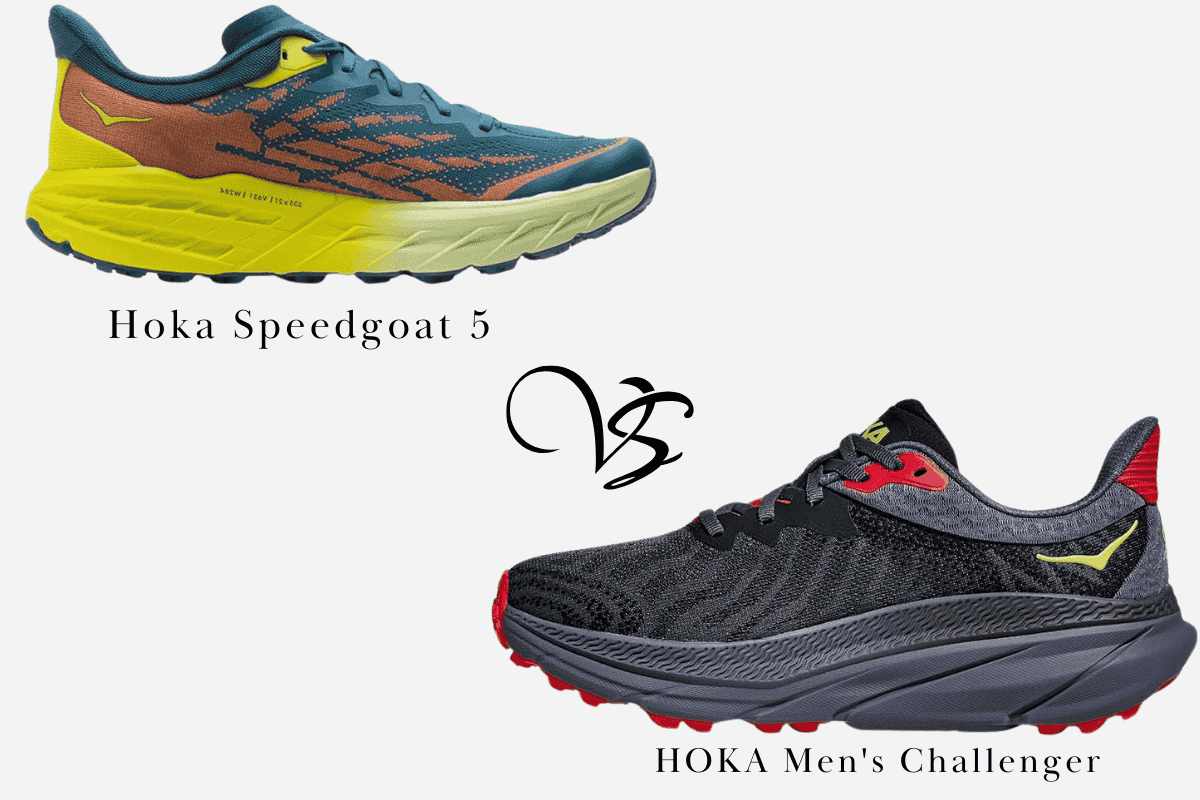
When choosing between the Hoka Speedgoat and Hoka Challenger, the decision can feel overwhelming. Both shoes are highly popular in the trail-running world and offer exceptional performance, comfort, and durability.
To help you make an informed choice, this article will break down each shoe in terms of comfort, style and design, differences, sizing consistency, brand reputation, breathability, durability, fit and support, pricing, and customer reviews.
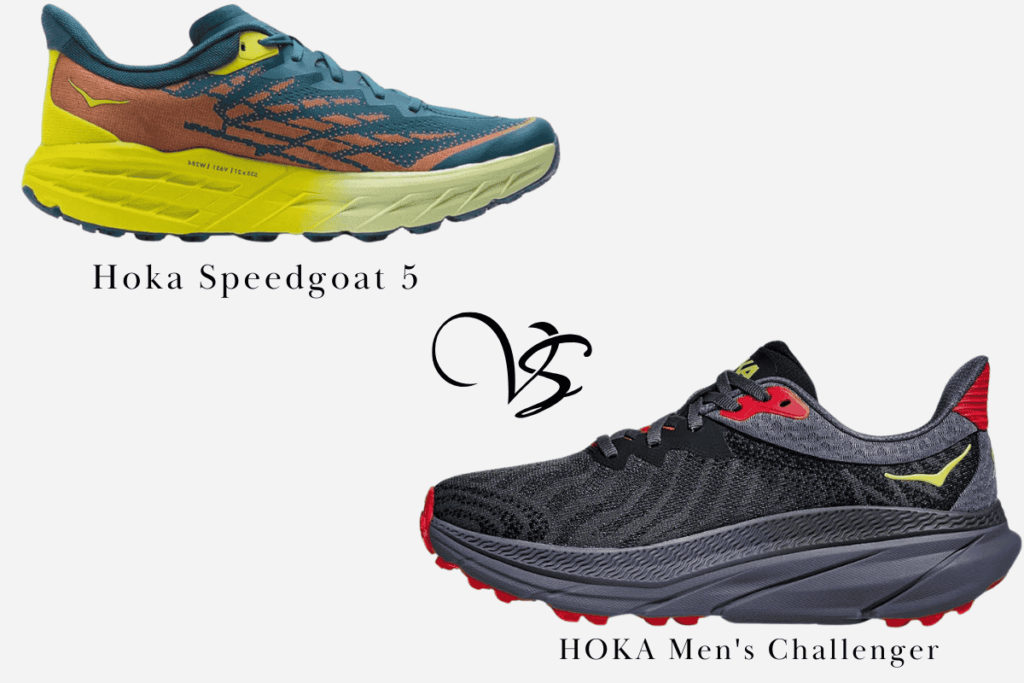
The Speedgoat is designed for long-distance trail running, offering exceptional cushioning with its thick EVA midsole. The plush cushioning absorbs shock on rough terrains, reducing strain on your feet during extended runs. Additionally, the shoe provides a wider toe box in its newer versions, making it ideal for runners with broader feet.
The Challenger, often referred to as a hybrid trail shoe, offers a balance between cushioning and responsiveness. While it is not as plush as the Speedgoat, it still provides ample support for mid-distance runs and daily training. The cushioning feels lighter and more versatile, making it suitable for both trails and roads.
Winner: Choose the Speedgoat for maximum comfort on technical trails and long distances. Opt for the Challenger if you prefer a lighter, more responsive feel.
The Speedgoat boasts a rugged, trail-specific design with bold colorways that make a statement. Its oversized sole and durable upper exude confidence on challenging terrains. The shoe also incorporates Vibram Megagrip outsoles with deep lugs, enhancing its aggressive appearance and functionality.
The Challenger leans towards a more versatile and subtle design. Its sleek silhouette and less aggressive outsole make it look more like a road-running shoe. The design appeals to those who want a shoe that transitions smoothly from trails to urban settings.
Winner: If you prefer a bold, trail-focused aesthetic, go for the Speedgoat. For a more understated, all-purpose design, the Challenger is a better choice.
| Feature | Hoka Speedgoat | Hoka Challenger |
|---|---|---|
| Primary Use | Technical trails and long distances | Mixed terrains (trails and roads) |
| Cushioning | Plush, maximum cushioning | Balanced, moderate cushioning |
| Outsole | Vibram Megagrip with deep lugs | Less aggressive lugs, versatile |
| Weight | Slightly heavier | Lightweight |
| Upper Material | Reinforced for durability on rough trails | Lightweight and breathable mesh |
Hoka’s Speedgoat runs true to size for most users. However, runners with very wide feet may need to consider the wide-fit option available. The shoe’s updated versions offer a slightly roomier toe box compared to earlier models.
The Challenger also runs true to size but features a narrower fit than the Speedgoat. This can make it less comfortable for runners with wide feet, especially on longer runs. It is crucial to try both shoes if possible to determine the best fit.
Winner: The Speedgoat edges out for its wider fit options and improved toe box.
Hoka is a trusted name in the running community, known for its innovative designs and focus on comfort. Both the Speedgoat and Challenger are part of Hoka’s highly regarded lineup of trail-running shoes:
Explore a more advanced version: Hoka Speedgoat 5.
The Speedgoat features a durable, reinforced upper that prioritizes protection over breathability. While it keeps debris out effectively, it may feel warmer during hot-weather runs.
The Challenger’s lightweight mesh upper enhances airflow, making it more breathable than the Speedgoat. It is better suited for warmer climates and less rugged conditions.
Winner: The Challenger excels in breathability, while the Speedgoat prioritizes protection.
Built for rugged terrains, the Speedgoat’s reinforced upper and Vibram Megagrip outsole ensure excellent durability. It can handle rocky trails and harsh conditions with ease.
While the Challenger is durable, it is not designed for extreme trails. The lighter upper and less aggressive outsole may wear out faster on highly technical terrain.
Winner: The Speedgoat is the clear winner in terms of durability.
The Speedgoat offers a secure fit with a reinforced heel and midfoot. The wider toe box ensures comfort during long runs, while the rocker-shaped sole enhances smooth transitions.
The Challenger provides a snug fit but may feel narrow for some runners. Its moderate arch support is ideal for short to mid-distance runs but might lack the support needed for longer efforts.
Winner: The Speedgoat provides better support and a more accommodating fit.
| Shoe | Average Price Range | Value for Money |
| Hoka Speedgoat | $155 – $170 | High durability and performance |
| Hoka Challenger | $140 – $155 | Versatile and affordable |
The Challenger is slightly more affordable, but the Speedgoat’s durability and technical features justify its higher price.
Customers praise the Speedgoat for its:
The Challenger receives high marks for:
User Feedback Highlights:
Both the Hoka Speedgoat and Hoka Challenger are excellent trail-running shoes, but they cater to different needs:
Ultimately, your decision should depend on your running style, terrain preferences, and fit requirements.
Yes, Hoka Speedgoat shoes generally run true to size. Wide-fit options are also available for those with broader feet.
The Challenger is versatile but not ideal for highly technical trails. It performs best on moderate trails and roads.
The Speedgoat is better for long-distance running due to its superior cushioning and support.
Some versions of the Speedgoat and Challenger offer waterproof options, such as GTX (Gore-Tex) models.
The Hoka Challenger is lighter, making it a better option for runners who prioritize speed and versatility.