Physical Address
304 North Cardinal St.
Dorchester Center, MA 02124
Physical Address
304 North Cardinal St.
Dorchester Center, MA 02124
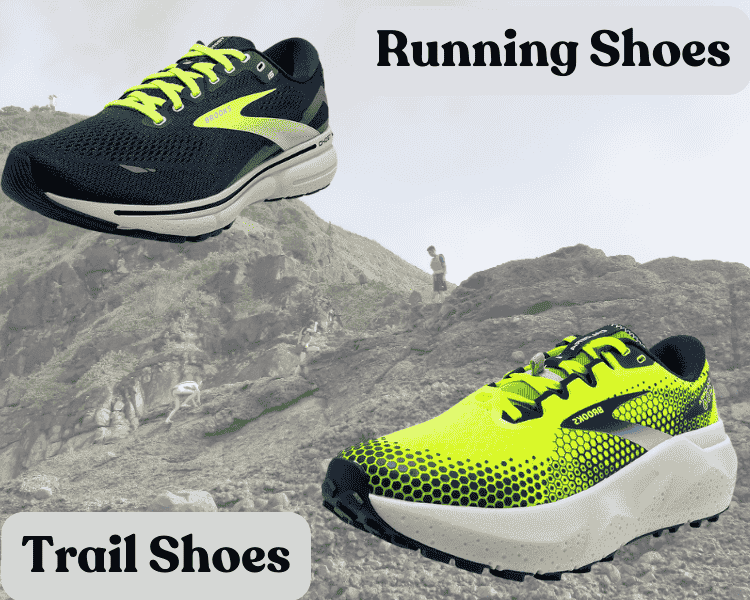
Choosing the right running shoes is essential for both comfort and performance, especially between Trail Running Shoes vs Road Running Shoes. While they may look similar at first glance, their designs, features, and functionalities cater to different terrains and running styles. Drawing from insights into running gear and customer preferences, this guide provides a detailed comparison to help you select the best option for your running goals and environment.”
We’ll cover comfort, style and design, differences, sizing consistency, brand reputation, breathability, durability, fit and support, pricing, and customer reviews. By the end, you’ll have a clear understanding of which shoe suits your running goals.
Trail running shoes are designed for outdoor adventures, providing stability, protection, and grip on challenging terrains. They excel in conditions such as:
Key Features:
Road running shoes are optimized for speed and efficiency on flat, even surfaces. They are ideal for:
Key Features:
Trail running shoes are designed for uneven, rugged terrains like dirt paths, rocky trails, and forest tracks. They feature extra cushioning and support, ensuring your feet stay comfortable even on challenging surfaces.
For related comparisons, check out training vs running shoes .

Road running shoes are crafted for smooth, flat surfaces such as pavement and asphalt. They focus on lightweight cushioning and flexibility for a more natural running experience.
| Aspect | Trail Running Shoes | Road Running Shoes |
|---|---|---|
| Cushioning | Extra firm for rugged surfaces | Soft and shock-absorbing |
| Protection | Reinforced for obstacles | Minimal to reduce weight |
| Terrain | Uneven, rocky paths | Smooth, paved surfaces |
| Flexibility | Limited for stability | High for natural motion |
Trail shoes often have a rugged and sturdy look to match their functionality. Their aggressive outsole designs and thicker builds make them stand out. They’re less versatile for casual wear due to their bulkier appearance.
Key Features:
Road running shoes offer a sleek, minimalistic design. They’re more lightweight and visually appealing, making them suitable for casual wear too.
Key Features:
For more style comparisons, explore Hoka vs on cloud shoes for running.

While both types of shoes share the goal of enhancing performance, they’re engineered for entirely different conditions. Below image describe in-depth features of both Trail Running Shoes vs Road Running Shoes.

Trail shoes often fit snugly around the midfoot to prevent slipping on uneven terrain. The toe box is slightly wider to allow toes to splay for stability on ascents and descent.
Road shoes typically offer a standard fit that feels natural and comfortable for everyday use. They’re more forgiving in terms of sizing.
Leading brands like Hoka One One, Salomon, Altra, Brooks, Adidas, and Nike dominate the trail and road shoe markets.
| Trail Running Shoes | Road Running Shoes |
| Salomon, Hoka One One, Altra | Nike, Adidas, Brooks |
Explore comparisons like Nike vs Adidas for insights on specific brands.

Trail shoes balance breathability with durability. They feature heavier mesh uppers and water-resistant coatings to handle mud, rain, and debris.
Road shoes prioritize maximum ventilation with lightweight, airy mesh uppers to keep your feet cool during long, high-intensity runs.
| Breathability Aspect | Trail Running Shoes | Road Running Shoes |
|---|---|---|
| Upper Material | Heavier mesh with water resistance | Lightweight, breathable mesh |
| Best Terrain | Muddy, rocky, or uneven trails | Smooth and dry surfaces |
Trail shoes are built to withstand rough terrain. Features like reinforced uppers and rugged outsoles make them highly durable.
Road shoes are designed for even surfaces, which means less wear and tear on the outsole. However, they’re less durable on rugged terrains.
Explore the Comparison Between Best Running Shoes in 2025.
Trail running shoes come with several unique features:
Road shoes prioritize a natural, comfortable fit for smooth and repetitive motion. They offer basic arch support but minimal protection from external elements.
Road shoes allow for a wider toe box for comfort during repetitive motion.
The weight of trail running shoes typically ranges from 9.5 oz to 10.5 oz for men’s sizes, with options like the Adidas Terrex Agravic Speed Ultra weighing only 9.5 oz. This lightweight construction helps enhance performance without sacrificing durability. Trail shoes approximately 7% heavier than road running shoes due to their additional protective features.
The weight of road running shoes typically ranges from 7.0 oz to 10.0 oz for men’s sizes, with lightweight options like the Hoka Mach 6 weighing only 8.2 oz. This lightweight construction enhances performance by allowing for quicker strides and reduced fatigue during long runs. Additionally, many popular models, such as the Nike Vaporfly 3, weigh around 7.0 oz, making them ideal for racing and speed work without sacrificing cushioning or support.
Price often depends on the shoe’s technology and durability.
| Pricing Range | Trail Running Shoes | Road Running Shoes |
|---|---|---|
| Affordable Options | $80–$120 | $60–$100 |
| Premium Models | $150–$200+ | $120–$180 |
Both trail and road running shoes cater to specific running environments and preferences. If you frequently run on uneven, off-road trails, trail running shoes provide the stability, traction, and durability needed for a safe and enjoyable experience. Conversely, if your runs primarily take place on smooth, paved surfaces, road running shoes deliver the lightweight comfort and speed you need. Carefully assess your typical running conditions and personal preferences to select the pair that aligns with your goals
You can, but the added weight and grip may feel unnecessary on smooth surfaces. Road shoes are better suited for pavement.
No, road running shoes lack the traction and durability needed for hiking on uneven terrains.
Clean them after every use, especially if exposed to mud or dirt. Air-dry them to avoid damaging the materials.
Trail shoes: 300–500 miles. Road shoes: 400–600 miles, depending on use and terrain.
Many trail shoes have water-resistant features, but not all are fully waterproof. Look for Gore-Tex models for complete waterproofing.